20 November 2026
Is Runoff Chemical Water Harmful to Buderim Garden Plants?
Presented by @beautews453
The short answer is yes. Chemical runoff water can cause severe, sometimes irreversible damage to garden plants, shrubs, and mature trees across Buderim. Due to the area's elevated topography, high seasonal rainfall, and rich volcanic red loam, contaminated stormwater quickly flows across property boundaries, penetrating root zones and altering the delicate sub-tropical soil balance.
Why Buderim Gardens Are Particularly Susceptible
Buderim sits on an elevated plateau characterized by rolling terrain and volcanic basalt soil, often referred to as krasnozem. While this soil offers exceptional nutrient capacity and drainage for native flora, it also acts like a sponge for dissolved chemical compounds. During heavy coastal downpours, properties situated along Buderim's ridgelines and slopes direct significant volumes of surface water into neighboring downhill yards.
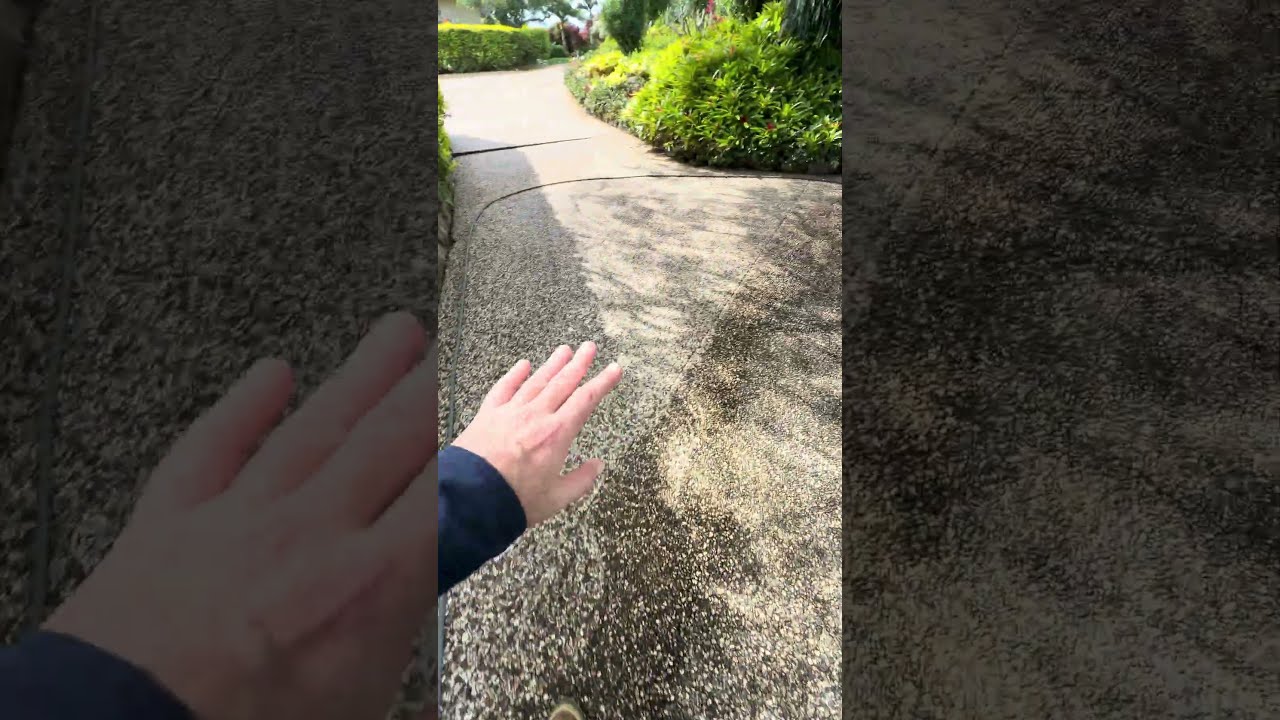
When this water carries chemical agents—even in relatively low concentrations—the porous soil structure rapidly absorbs the contaminants, delivering toxic solutions directly to shallow feeder roots of prized ornamentals, sub-tropical https://pressurecleaningbuderim.com.au/roof-cleaning/ palms, and native species like grevilleas and lilly pillies.
Common Sources of Chemical Runoff
Residential activities are the primary contributors to toxic garden runoff in the local area. Everyday property maintenance can unintentionally introduce hazardous compounds into the landscape:
- Pool Water Discharge: Chlorinated water, saltwater overflow, and copper-based algaecides released during heavy rains or routine filter backwashing.
- Driveway and Roof Cleaning Chemicals: High-strength sodium hypochlorite (bleach), caustic degreasers, and acidic surface washes utilized in pressure cleaning.
- Automotive Byproducts: Detergents, engine oils, and brake dust washed off driveways during vehicle maintenance and home washing.
- Lawn and Garden Treatments: Synthetic fertilizers, pre-emergent herbicides, and chemical insecticides mobilized by unexpected storms before absorbing properly.
How Chemical Contaminants Damage Plant Health
Chemical pollutants disrupt both the physical plant tissue and the living ecosystem beneath the surface. Chlorinated water, for instance, rapidly causes osmotic shock, drawing essential moisture out of the root system and mimicking extreme drought symptoms, such as leaf scorch and branch dieback.
Surfactants found in commercial detergents strip the protective waxy cuticle from leaves and kill beneficial mycorrhizal fungi in the soil. Without these microorganisms, plants cannot access vital micronutrients like iron and magnesium, leading to chronic chlorosis (yellowing leaves) and stunted development. Furthermore, extreme pH shifts caused by alkaline soaps or acidic washes lock up soil nutrients, rendering Buderim's naturally fertile soil unproductive.

Actionable Steps to Protect Your Garden Landscape
Managing surface runoff is essential for preserving landscape health and adhering to current 2026 Sunshine Coast environmental and stormwater guidelines. Homeowners can implement practical solutions to safeguard their plantings:
- Install Catchment Swales and French Drains: Channel incoming surface water away from sensitive garden beds toward legal stormwater discharge points using aggregate-lined drainage channels.
- Use Biodegradable Cleaning Agents: Choose plant-safe, neutral-pH, and eco-certified detergents for all outdoor pressure washing and hardscape maintenance.
- Dechlorinate Pool Backwash: Neutralize pool water with chemical de-chlorinators or divert backwash lines directly into the sewer infrastructure rather than the stormwater grid.
- Incorporate Buffer Plantings: Establish robust buffer zones using resilient, nutrient-filtering groundcovers and native grasses along uphill boundaries to absorb diluted residues.
If you suspect chemical contamination has entered your garden beds, immediately flush the affected area thoroughly with clean, fresh water to dilute the compounds, and apply a liquid humate or compost tea to help rebuild depleted microbial activity in the soil.
Buderim Pressure Cleaning
(07) 4120 7109